
Saving money on a small salary feels almost impossible when your pay check barely covers your monthly rent and bills. You pay for your housing, buy food, cover your bus fare, and suddenly your bank account sits at zero. I used to look at my bank balance on the twentieth of every month and wonder where it all went.
The trick is not earning more money overnight. The real trick is changing how your cash moves the very hour you get paid. Even if you can only put away ten dollars a week, you can build a safety net without starving yourself.
Pay Yourself First on Payday
Most people pay all their bills first. Then they spend money on groceries, coffee, and living life. They promise to save whatever cash is left over at the end of the month. The problem is that there is never anything left over.
Flip the order around. Set up your bank account to automatically move twenty dollars into a separate savings account the minute your salary hits. If you do not see the money in your main account, you will not spend it. You adapt to living on the rest.
My friend Sarah earns 2,100 dollars a month after tax. She set up an automatic transfer of 25 dollars every Friday. It felt tiny, almost pointless at first. But after one full year, she had 1,300 dollars sitting in her fund without ever feeling like she was missing out.
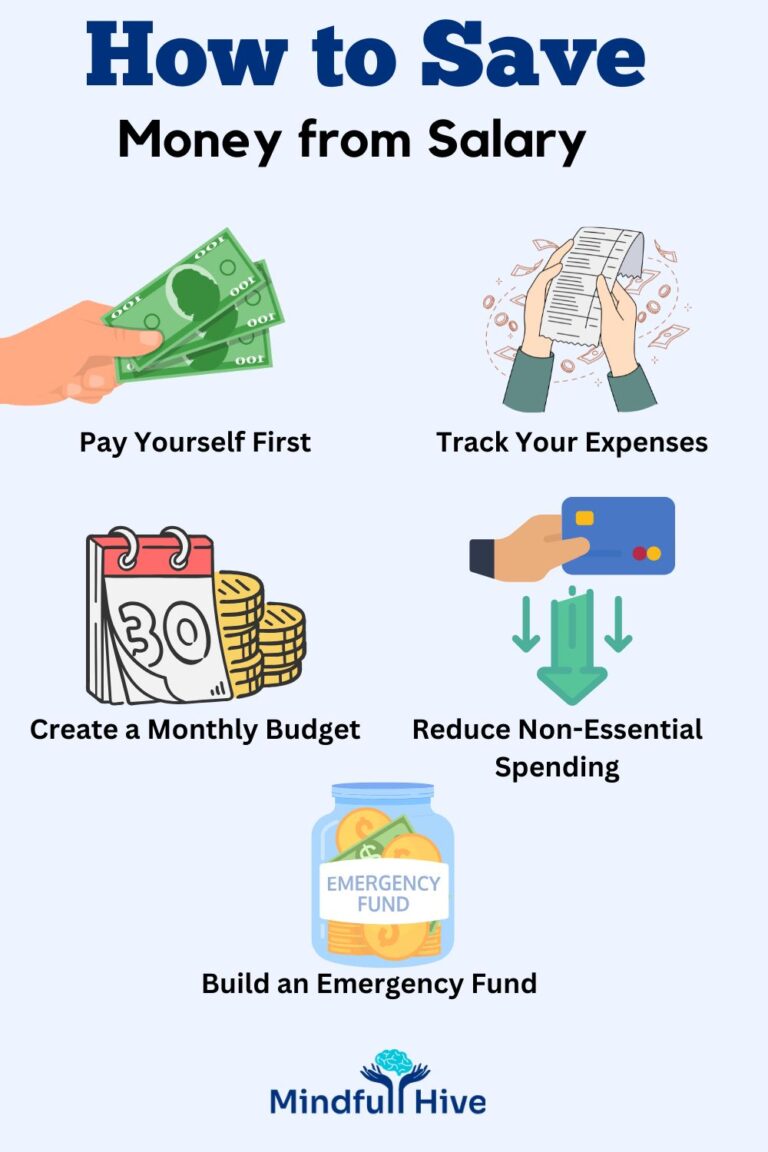
Track Every Single Penny for Thirty Days
You cannot fix a leak if you do not know where the water comes from. Before you cut back on anything, grab a small notebook or open a simple note app on your phone. Write down every single purchase for one full month.
Do not change your habits yet. Just write it all down. Buy a soda for two dollars? Write it down. Pay four dollars for parking? Put it in the note. Small buys slip through the cracks easily.
When I did this for the first time, I realized I was spending 45 dollars a month on gas station snacks. That was over 500 dollars a year spent on cheap candy and bags of chips. Seeing the real numbers on paper gives you total control back.
Lower your fixed monthly bills
Fixed bills are the expenses that hit your account every single month. Many people think these prices are set in stone, but they usually are not. A single hour of work can cut these costs for the rest of the year.
Call your internet company today. Ask them if they have a cheaper plan or a promotion for loyal customers. Switch your phone plan to a low cost provider. If you pay 60 dollars a month for your phone, you can easily find a basic plan for 20 dollars that gives you the same calls and data.
- Switch to a cheaper phone company to save 40 dollars a month.
- Cancel streaming apps you have not watched in the last two weeks.
- Call your insurance provider and ask for a lower rate.
- Look at your bank statement to catch paid subscriptions you forgot about.
If you cut 30 dollars from your phone bill and 15 dollars from an old streaming service, you just saved 45 dollars every month. That is 540 dollars back in your pocket each year with zero extra daily effort.
How can I save money on groceries every week?
Food is usually the biggest area where small pay checks get eaten up. Going to the food store without a plan is the fastest way to blow your budget. You buy items you do not need, and half of them rot in the back of your fridge.
Always cook with cheap base foods. Beans, rice, eggs, oats, and frozen vegetables are low cost and keep you full. A bag of dried beans costs two dollars and provides five hearty meals. A giant tub of oats costs three dollars and feeds you breakfast for two weeks.
Plan your dinners around what is on sale that week. Buy generic store brands instead of the big famous names. The cereal inside the plain box tastes the exact same as the branded one, but it costs two dollars less. Making this one switch saves a family around 50 dollars every single month.
Use the Forty Eight Hour Rule for Shopping
When you do not make a lot of cash, buying things on impulse hurts twice as hard. That new jacket or fast food meal feels great for ten minutes, but it leaves you stressed for the next three weeks. You need a rule to stop those quick buys.
When you see something you want to buy that is not on your essential list, stop. Wait forty eight hours before you hand over your card. Step away from the shop or close the website tab. Go for a walk or drink a glass of water.
Most of the time, the urge to buy vanishes by the next morning. You realize you did not actually need the item, you just wanted a quick hit of excitement. If you still feel you truly need it after two full days, look at your budget and see if you can afford it safely.
Keep your extra cash away from your main account
If your extra cash sits in the same place as your daily spending money, you will spend it. It is human nature. Open a savings account at a completely different bank from your primary checking account.
Do not order a debit card for this second account. Make it slightly annoying to get the money out. If you have to wait two days for a bank transfer to clear, you will not spend your hard earned savings on a random weekend takeaway.
Watching that balance grow slowly gives you a massive sense of peace. It proves that you are in charge of your life, no matter how small your pay check looks today. Pick one small step from this list and start it before you go to sleep tonight.
Comments
Post a Comment